
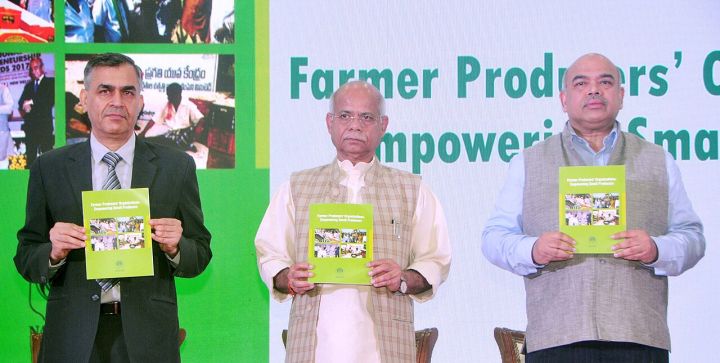
📷 Image: Wikimedia Commons / Ministry of Finance of India
Agriculture
FPO Policy 2026 Targets 80% Farmer Integration by 2031
✍️ The Times of India
🗓 23 Nov 2026, 12:37 PM
👁 31
India's new FPO Policy 2026 sets a target to integrate 80% of farmers into farmer producer organisations by 2031, aiming to boost collective bargaining and market access.
The Government of India has unveiled the Farmer Producer Organisation (FPO) Policy 2026, which sets a clear milestone for farmer integration. The policy mandates that by 2031, 80% of the country’s farmers should be part of an FPO, a collective structure that can streamline production, procurement and marketing.
Under the new framework, state governments will be required to create a roadmap for enrolling farmers into FPOs, with support mechanisms such as financial incentives, technical assistance and capacity‑building programmes. The policy also introduces a monitoring system to track progress and ensure compliance.
Proponents argue that a larger FPO base will enhance farmers’ bargaining power, reduce input costs, and improve access to credit and markets. The government expects that by consolidating smallholders, the agricultural supply chain will become more efficient, ultimately raising rural incomes.
The policy will be implemented in phases, with pilot programmes in selected districts to test the model before a nationwide rollout. The Ministry of Agriculture has pledged to allocate additional funds to support the transition and to provide training for FPO leaders.