
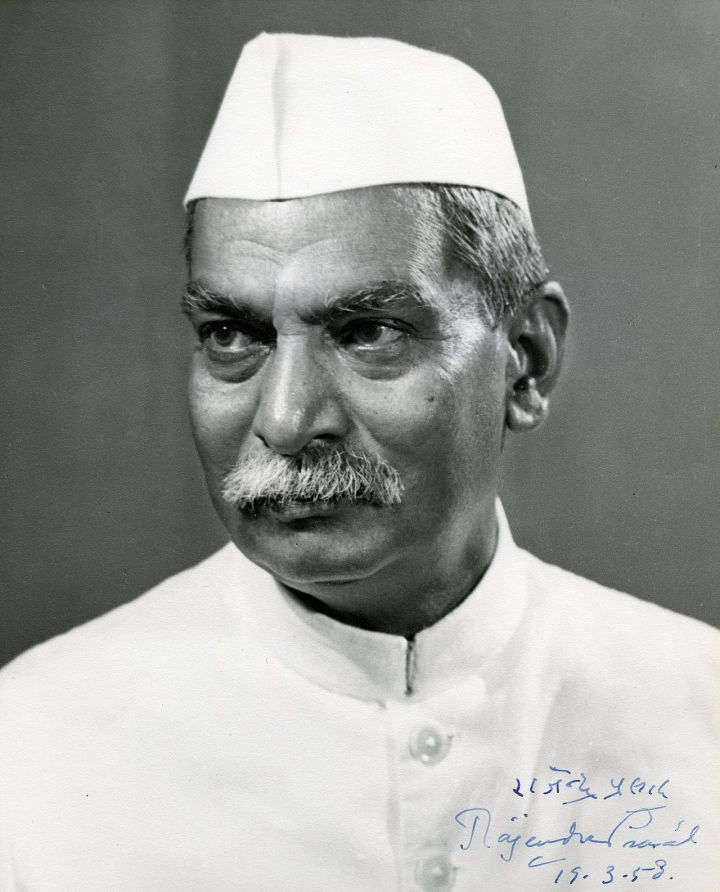
📷 Image: Wikimedia Commons / Archives New Zealand from New Zealand
Politics
Former Minister Rajendra Gudha Calls for Reservation Reform for Valmiki Nomadic Communities in Rajasthan
✍️ Amar Ujala · Jaipur
🗓 19 Aug 2026, 10:47 AM
👁 26
Ex‑minister Rajendra Gudha criticised the state government for not adequately addressing the reservation needs of Valmiki, nomadic and semi‑nomadic groups, urging immediate policy changes.
Jaipur, Rajasthan – In a press briefing, former minister Rajendra Gudha highlighted the persistent marginalisation of Valmiki, nomadic‑semi‑nomadic, SC‑ST and economically weaker sections. He argued that despite constitutional safeguards, many families from these communities remain excluded from basic services and educational opportunities.
Gudha pointed to the existing reservation framework, contending that it does not reflect the demographic realities of the Valmiki‑Ghummantu society. He urged the state administration to review and amend the quota allocations, ensuring that the most vulnerable groups receive their entitled share of jobs, scholarships and welfare schemes.
The former minister warned that continued neglect could deepen social inequities and fuel unrest among historically disadvantaged populations. He called for a consultative process involving community leaders, civil‑society groups and policy experts to draft a more inclusive reservation policy.
While the government has not yet responded, Gudha’s statements have reignited a broader debate on how reservation mechanisms can be calibrated to address the specific challenges faced by nomadic and semi‑nomadic communities across Rajasthan.
The issue is expected to feature in upcoming legislative discussions, with stakeholders urging swift action to prevent further disenfranchisement of these groups.
Gudha pointed to the existing reservation framework, contending that it does not reflect the demographic realities of the Valmiki‑Ghummantu society. He urged the state administration to review and amend the quota allocations, ensuring that the most vulnerable groups receive their entitled share of jobs, scholarships and welfare schemes.
The former minister warned that continued neglect could deepen social inequities and fuel unrest among historically disadvantaged populations. He called for a consultative process involving community leaders, civil‑society groups and policy experts to draft a more inclusive reservation policy.
While the government has not yet responded, Gudha’s statements have reignited a broader debate on how reservation mechanisms can be calibrated to address the specific challenges faced by nomadic and semi‑nomadic communities across Rajasthan.
The issue is expected to feature in upcoming legislative discussions, with stakeholders urging swift action to prevent further disenfranchisement of these groups.