
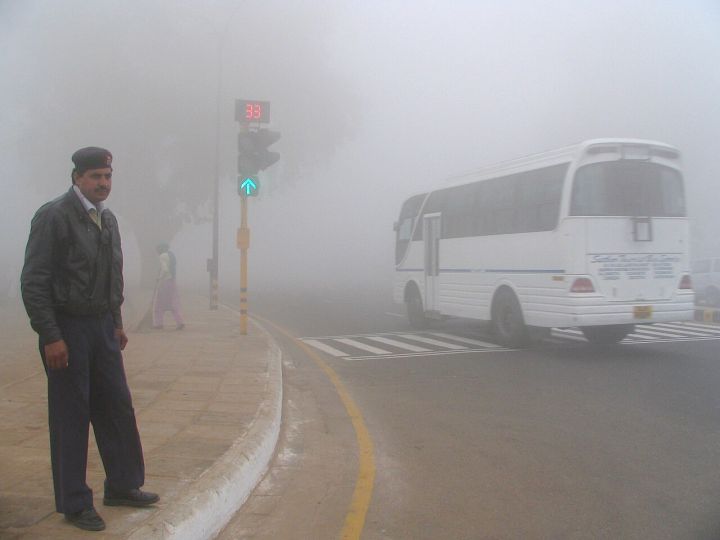
📷 Image: Wikimedia Commons / Ministry of Science and Technology
National
Delhi Winter Action Plan: 50% WFH and Double Parking Fees Start Nov 1
✍️ News18
🗓 21 Oct 2026, 08:46 PM
👁 13
Delhi government introduces winter measures starting November 1, including a 50% work-from-home mandate and doubled parking fees to curb pollution.
The Delhi government has activated its Winter Action Plan effective November 1, introducing a series of strict measures aimed at reducing air pollution levels in the national capital. The primary focus of the new protocol is to minimize vehicular emissions and industrial activity during the critical winter months when air quality typically deteriorates.
A key component of the plan is the mandatory 50% Work From Home (WFH) directive for government offices and public sector units. This measure is designed to significantly reduce the number of vehicles on the roads during peak hours, thereby lowering the carbon footprint associated with daily commuting in the city.
In addition to the WFH mandate, the administration has announced a doubling of parking fees in designated zones. This financial disincentive is intended to discourage the use of private vehicles for short trips and encourage the public to shift towards public transportation or carpooling options.
These steps are part of a broader strategy to manage the seasonal spike in particulate matter. Authorities have emphasized that these measures are necessary to ensure that air quality indices remain within manageable limits for the health and well-being of residents.