
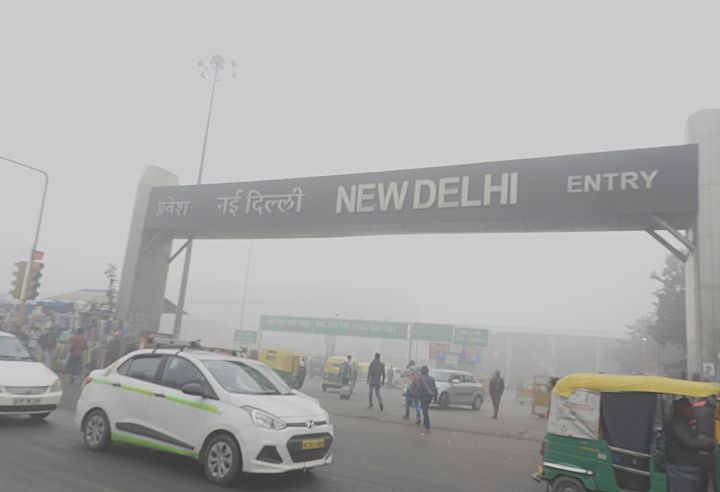
📷 Image: Wikimedia Commons / Sumita Roy Dutta
Weather
Delhi braces for another severe smog episode as winter pollution looms
✍️ India Today
🗓 21 Oct 2026, 09:31 AM
👁 9
A fresh layer of smog has settled over Delhi, prompting health officials to warn of a potentially hazardous winter season.
Delhi’s air quality has deteriorated sharply as a new smog blanket spreads across the capital. The Pollution Control Board reported that the Air Quality Index (AQI) has risen into the ‘severe’ category, with particulate matter (PM2.5) levels exceeding the safe limit set by the National Ambient Air Quality Standards.
Meteorologists attribute the worsening conditions to a combination of stagnant winter winds, low temperatures, and increased emissions from vehicular traffic and biomass burning in surrounding regions. The city’s temperature inversion layer traps pollutants close to the ground, intensifying the haze.
Health agencies have issued advisories urging residents, especially children, the elderly, and those with respiratory ailments, to limit outdoor activities and wear masks when venturing out. Schools in several districts have been instructed to keep windows closed and use air purifiers where possible.
The government is monitoring the situation closely and may activate emergency measures such as restricting construction activities, limiting diesel generator use, and imposing temporary bans on firecrackers and open burning. Citizens are encouraged to stay informed through official alerts.
Experts stress that long‑term solutions, including stricter emission controls and a shift to cleaner energy sources, are essential to prevent recurring winter smog episodes in the capital.