
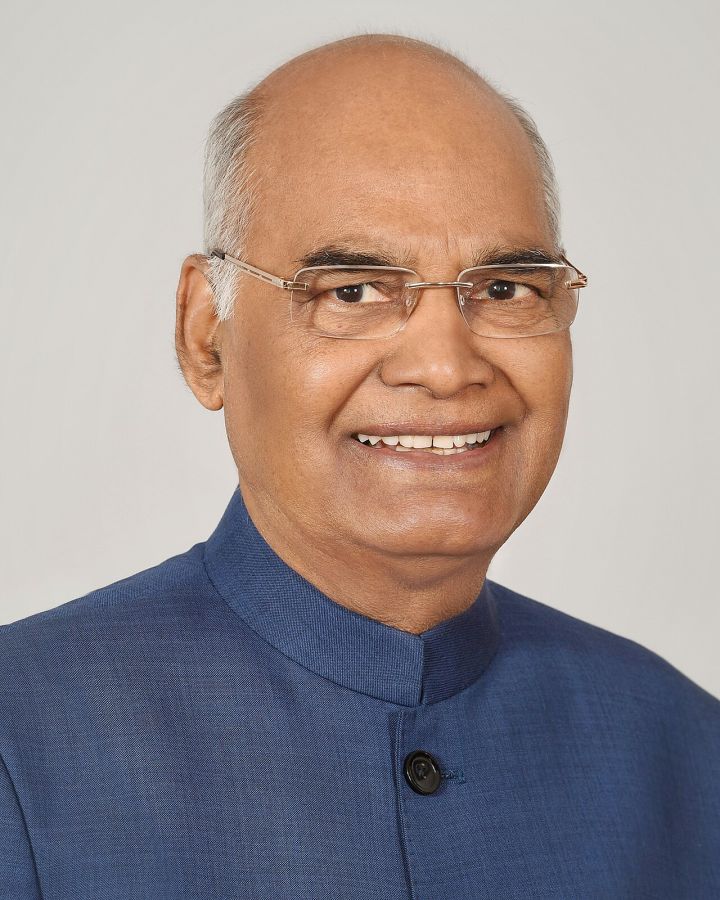
📷 Image: Wikimedia Commons / The Rashtrapati Bhavan
Politics
Dalit President Ram Nath Kovind urges tolerance as key to India’s democratic credibility in final speech
✍️ ThePrint
🗓 08 Nov 2026, 04:36 PM
👁 16
In his concluding address, India’s first Dalit President, Ram Nath Kovind, highlighted tolerance as essential for the credibility of the nation’s democracy.
New Delhi – In a poignant final address to the nation, President Ram Nath Kovind underscored that tolerance is the bedrock of India’s democratic credibility. Speaking from the Rashtrapati Bhavan, the former lawyer and the country’s first Dalit head of state reflected on the pluralistic fabric of the nation and urged citizens to uphold respect for diverse opinions and communities.
Kovind’s remarks came at the close of his six‑year tenure, during which he emphasized inclusive growth and social harmony. He cautioned against divisive rhetoric, stating that a democracy that tolerates dissent and embraces differences can sustain its legitimacy on the global stage.
The speech resonated with political leaders across the spectrum, many of whom echoed the call for unity amid rising communal tensions. Analysts noted that Kovind’s emphasis on tolerance aligns with constitutional principles and could influence upcoming policy debates.
As the President prepares to hand over the office to his successor, his final words serve as a reminder of the moral responsibility that underpins India’s democratic experiment.