
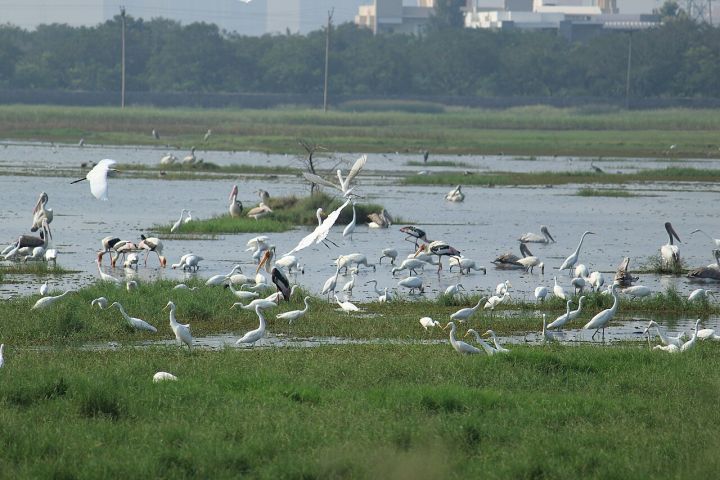
📷 Image: Wikimedia Commons / Vinoth Selvaraj
Business
CREDAI Chennai to Challenge 1km Construction Ban Around Pallikaranai Marsh in Supreme Court
✍️ The Hindu
🗓 21 Nov 2026, 11:09 AM
👁 17
The Confederation of Real Estate Developers' Associations of India (CREDAI) chapter in Chennai announced plans to file a petition in the Supreme Court against the state-imposed 1‑kilometre construction restriction surrounding the Pallikaranai marshland.
CREDAI Chennai, the local chapter of the national real‑estate developers’ body, said it will approach the Supreme Court to contest a 1‑kilometre no‑construction zone that the Tamil Nadu government has placed around the Pallikaranai marshland. The restriction, aimed at protecting the ecologically sensitive wetland, bars any new building activity within a one‑kilometre radius of the marsh.
The developers’ association argues that the blanket ban hampers ongoing and planned housing projects in the city’s southern suburbs, where land scarcity is already a concern. While acknowledging the need for environmental safeguards, CREDAI maintains that the restriction is disproportionate and lacks clear guidelines for permissible development.
The petition will seek a judicial review of the order, asking the apex court to either lift the ban or modify it to allow limited construction that complies with ecological standards. The case is expected to be listed for hearing in the coming weeks, drawing attention from both the real‑estate sector and environmental groups.
State officials have previously highlighted the marsh’s role in flood mitigation and biodiversity conservation, noting that unchecked construction could degrade its natural functions. The outcome of the Supreme Court hearing could set a precedent for how urban development and wetland protection are balanced in rapidly growing Indian cities.