
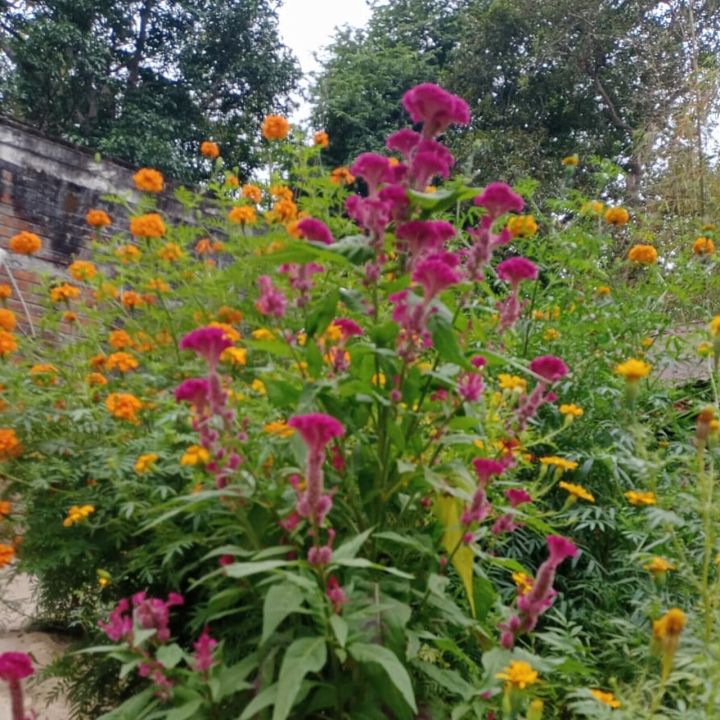
📷 Image: Wikimedia Commons / Maina Tudu
Food
Cockscomb Flower: The Crimson Ingredient Defining Kashmiri Wazwan
✍️ The Hindu
🗓 01 Nov 2026, 08:25 AM
👁 14
The sun‑dried petals of the cockscomb flower, known locally as ‘shabnam’, give Kashmiri dishes their signature deep red colour and are a staple in the traditional wazwan feast.
The cockscomb flower, a native of the Kashmir valley, has long been woven into the region’s culinary fabric. Locally referred to as ‘shabnam’, its vivid crimson petals are prized for the colour they impart to food.
Harvested in the summer months, the petals are spread out in the sun to dry, a practice that preserves them for use throughout the year. Once dried, they are stored in airtight containers, allowing households and restaurants to access the spice even during the harsh winter.
In Kashmiri cuisine, the dried petals are ground into a fine powder and added to gravies, rice, and meat preparations. Their most celebrated application is in the wazwan, the elaborate multi‑course feast that showcases the region’s gastronomic heritage. The red hue from the cockscomb not only enhances visual appeal but also contributes a subtle earthy flavour that chefs consider indispensable.
Because the ingredient can be kept for months, it ensures that the iconic red tint of Kashmiri dishes remains consistent, reinforcing a culinary identity that is both historic and vibrant.