
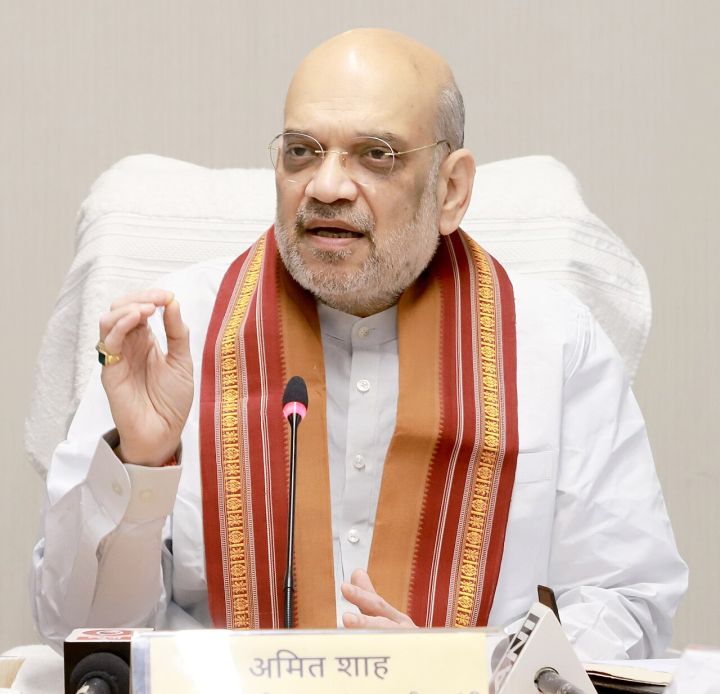
📷 Image: Wikimedia Commons / Ministry of Cooperation
Defence
Amit Shah Pushes Army, ITBP to Source Equipment from Arunachal Village Cooperatives
✍️ India Today
🗓 22 Nov 2026, 08:37 PM
👁 21
Prime Minister Amit Shah has urged the Indian Army and the Indo‑Tibetan Border Police to procure supplies from local cooperatives in Arunachal Pradesh, aiming to boost regional economies and strengthen border logistics.
Prime Minister Amit Shah has announced a new procurement directive for the Indian Army and the Indo‑Tibetan Border Police (ITBP), directing them to source a range of supplies from cooperatives located in Arunachal Pradesh’s border villages. The directive, unveiled during a recent meeting with defence officials, seeks to create a more resilient supply chain for troops stationed in the northeastern frontier.
The cooperatives, which have been established to support local farmers and artisans, will supply items such as food rations, medical kits, and basic equipment. The move is expected to reduce logistical delays and ensure that supplies are tailored to the specific needs of soldiers operating in the region’s challenging terrain.
By channeling procurement through local cooperatives, the government aims to stimulate economic growth in remote areas, provide employment opportunities, and foster a sense of ownership among border communities. Defence officials have welcomed the initiative, noting that it aligns with broader efforts to strengthen self‑reliance in defence logistics.
The next step involves formalizing contracts between the armed forces and the cooperatives, with oversight from the Ministry of Defence and the Ministry of Rural Development. Officials will monitor the impact on supply chain efficiency and local economic indicators over the coming months.